
We help you prepare your product for successful LSR molding from the very beginning.
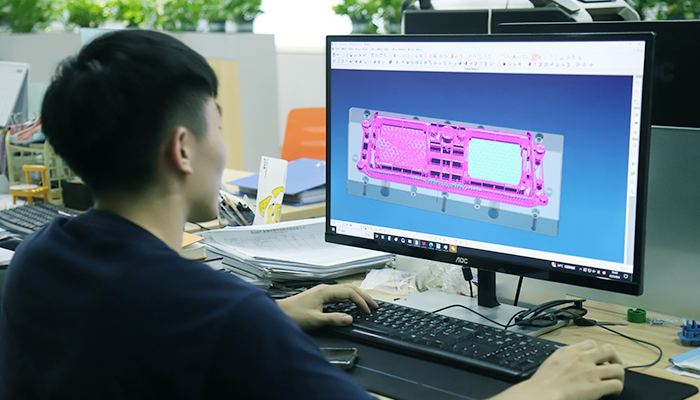
Our engineering team reviews your drawings or concepts and provides expert optimization specifically for liquid silicone rubber:
· Requirement Analysis: Fully understand your product function, performance needs, and technical specifications.
· LSR Design Optimization: Adjust wall thickness, parting lines, venting, and geometry for best molding results.
· Material Recommendation: Advise on the most suitable liquid silicone grades, hardness, and properties.
· DFM Report: Deliver a detailed Design for Manufacturability analysis focused on moldability, quality, and production efficiency.
· Automation Consideration: Early-stage engineering to ensure the design supports automated production later.
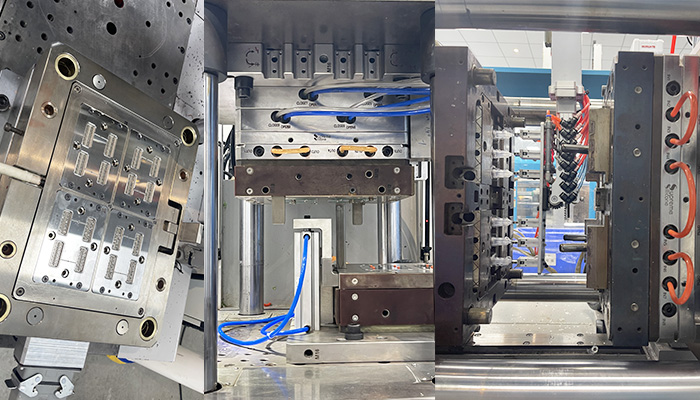
We design and manufacture high-precision LSR molds for stable, long-term production:
· Prototype Molds: Quick prototype tooling for testing and design validation.
· Mold Design & Engineering: Full DFM analysis with optimized gating, venting, and cooling systems specifically for liquid silicone rubber.
· Precision Mold Fabrication: High-accuracy CNC machining, EDM, and mirror polishing to achieve tight tolerances and excellent surface quality.
· Production-Ready Molds: Durable multi-cavity molds built for high-volume injection molding and automation compatibility.
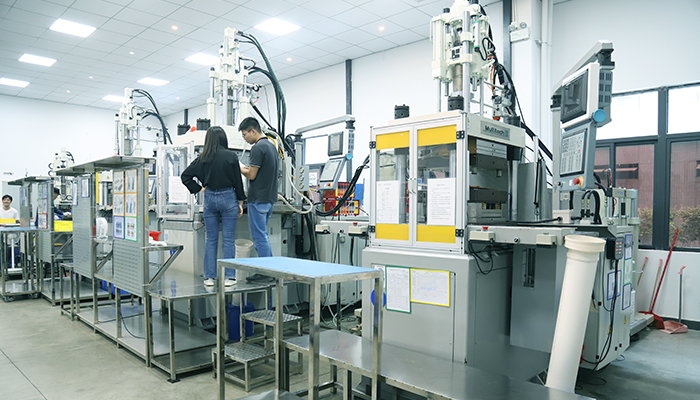
We deliver stable, high-quality LSR parts from prototype to mass production.
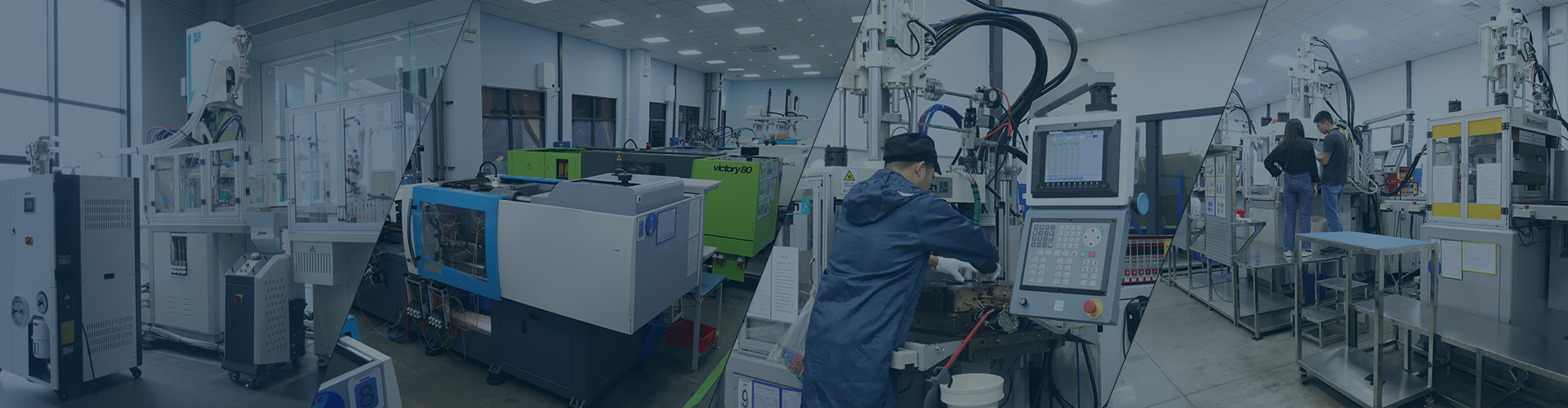
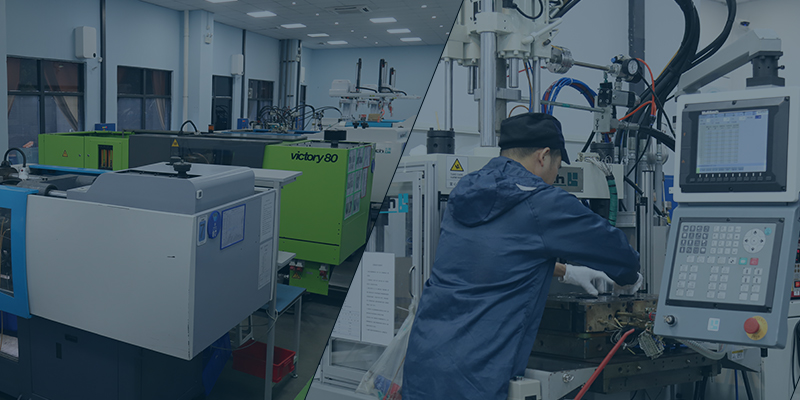
· Injection Molding Production: Precision LSR injection molding using advanced cold-runner systems for clean, flash-free parts.
· Multi-Cavity & High-Volume Capability: Efficient production for medium to large batch orders with consistent quality.
· Automation Integration: Automated demolding, inspection, and packing to ensure repeatability and lower costs.
· Strict Quality Control: 100% visual inspection + functional testing + material traceability for every batch.
· Secondary Operations: Post-curing, slitting, printing, assembly, and overmoldingservices available.

 Telephone:+852 6037 6803
 E-mail:hillman@glory-hill.com
 Address:Room 702, 7/F., CMB Wing Lung Bank Centre 636 Nathan Road, Mongkok, KowLoon, HK
 WeChat public account
 Customer service QR code

 Chinese


 CN
CN Home 》